
What makes a roofing material durable?
The most durable roofing material is not always the one with the longest advertised lifespan. Real-world durability depends on resistance to moisture, wind, snow, ice, temperature changes, impact, and installation problems.
For homes in Valatie, winter conditions deserve special attention. Snow accumulation, freeze-thaw cycles, ice dams, wind-driven rain, summer humidity, and falling branches can all affect a roof over time. The roof’s slope, structural strength, ventilation, flashing, underlayment, and workmanship matter just as much as the surface material.
A durable roof should:
- Resist water absorption and repeated freezing
- Remain secure during strong winds
- Tolerate snow and ice accumulation
- Handle seasonal expansion and contraction
- Shed water effectively
- Be compatible with the home’s roof structure and pitch
- Allow damaged sections to be repaired without replacing unnecessary areas
Which roofing materials last the longest?
Natural slate, clay or concrete tile, and properly installed metal roofing generally offer the longest service lives among common residential roofing materials. Synthetic composite products can also provide substantial durability with less weight.
Typical service-life ranges vary by material, quality, climate, maintenance, and installation:
- Natural slate: Often 75 years or more, with some roofs lasting well over a century
- Clay tile: Commonly 50 to 100 years
- Concrete tile: Often 40 to 75 years
- Standing-seam metal: Frequently 40 to 70 years
- Quality metal shingles or panels: Approximately 30 to 60 years
- Synthetic slate or composite shingles: Commonly 30 to 50 years
- Architectural asphalt shingles: Often 20 to 30 years
- Wood shingles or shakes: Frequently 20 to 40 years, depending heavily on moisture control and maintenance
These are broad ranges, not guarantees. A poorly ventilated roof with inadequate flashing can fail early regardless of whether it is covered with slate, metal, or asphalt.
Is metal roofing a good choice for snowy winters?
Metal roofing can be highly durable in a cold, snowy climate, but the design and installation must be appropriate for the house. Standing-seam metal roofs are especially resistant to water entry because they use long panels with concealed fasteners and fewer exposed joints.
Benefits include:
- Strong resistance to wind and rain
- Low water absorption
- Good performance during freeze-thaw cycles
- Long service life
- Less tendency to hold moisture than some organic materials
Snow shedding can be both an advantage and a hazard. Snow may slide suddenly from a smooth metal roof, potentially damaging landscaping, lower roofs, vehicles, or people below. Snow guards may be appropriate above entrances, walkways, and frequently used areas.
Metal roofing also expands and contracts with temperature changes. Fastener selection, panel design, underlayment, ventilation, and detailing around chimneys and roof edges all influence long-term performance. Metal is durable, but it is not maintenance-free.
Is slate the most durable roofing material?
Natural slate is among the longest-lasting roofing materials available. It resists rot, insects, and many forms of weathering. A well-built slate roof can remain functional for generations.
Its main limitations are weight, cost, and repair complexity. Not every house is designed to support slate without structural evaluation or reinforcement. Slate can also crack if walked on improperly, struck by falling branches, or installed with unsuitable fasteners.
Slate roofs require compatible flashing and replacement pieces. Mixing different slate types or using incompatible metal components can shorten the roof’s life. For older homes, preserving an existing slate roof may be practical, but the condition of the underlying wood, flashing, and support structure must also be considered.
How do clay and concrete tiles compare?
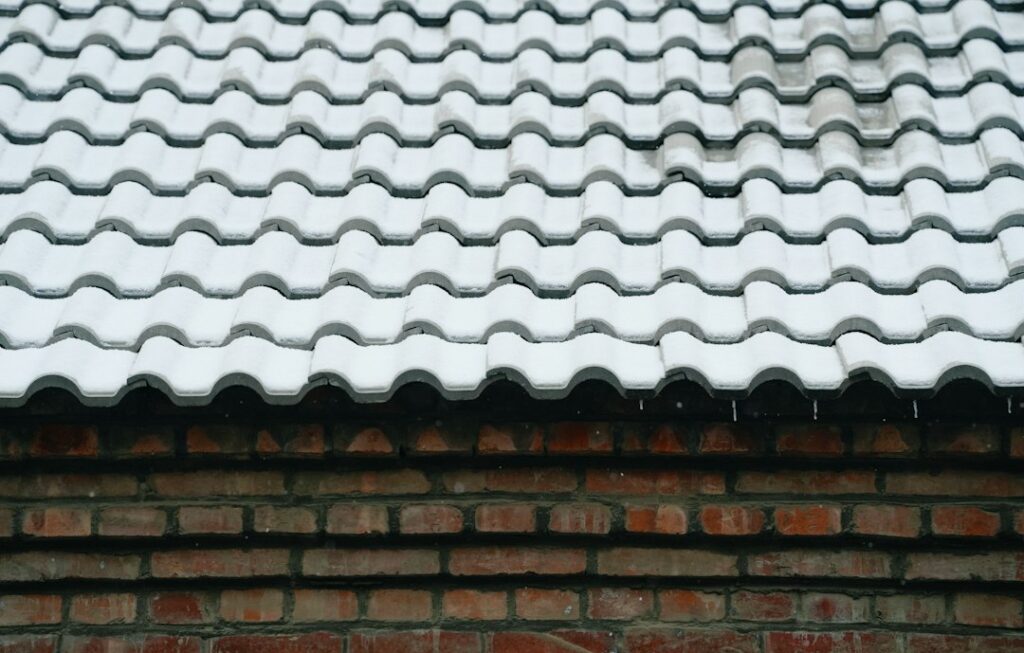
Clay and concrete tiles are durable, fire-resistant, and highly resistant to decay. They can perform well for decades when installed over a suitable structure with proper underlayment and flashing.
The principal concern is weight. Concrete and clay tile roofs are substantially heavier than asphalt shingles and many metal systems. A house must be designed or evaluated for the additional load, especially if the existing roof framing is older or has already experienced sagging.
Tiles can also crack from impact, improper walking, thermal movement, or severe freeze-thaw exposure. Individual tiles may be replaceable, which is useful, but broken tiles should not be ignored. Water can reach the underlayment and roof deck even when the visible damage appears minor.
Are architectural asphalt shingles durable enough?
Architectural asphalt shingles remain a practical choice for many households because they balance moderate longevity, broad compatibility, and relatively simple repair. They are not usually the longest-lasting option, but a quality installation can provide dependable service for decades.
Durability improves when the roof includes:
- Adequate attic ventilation
- Correct underlayment and ice-barrier protection
- Properly installed drip edges
- Secure flashing around chimneys, walls, skylights, and roof penetrations
- Shingles rated for the expected wind conditions
- A roof deck that is dry, sound, and properly fastened

In snowy areas, ice dams can cause more damage than the shingles themselves. Ice dams form when heat escapes into the attic, melts snow on the upper roof, and allows water to refreeze near colder eaves. Insulation, air sealing, ventilation, and ice-barrier detailing are important parts of the roofing system.
What about synthetic slate and composite roofing?
Synthetic slate and composite shingles are designed to resemble slate, wood, or other traditional materials while reducing weight. Depending on the product, they may resist impact, moisture, insects, and splitting better than natural wood products.
Their durability varies widely. Homeowners should look beyond the appearance and ask:
- How does the material perform in freezing temperatures?
- Is it rated for the area’s wind conditions?
- Does it become brittle with age?
- Can individual pieces be replaced?
- Are compatible repair materials likely to remain available?
- Does the roof structure support the product’s fastening requirements?
A lighter synthetic product can be useful where natural slate or tile would place too much weight on the structure, but the entire roofing assembly still needs to be designed correctly.
Which roofing material is best for an older home?
Older homes require more than a comparison of surface materials. The roof deck, framing, ventilation, chimney condition, flashing, and previous layers may determine which materials are suitable.
Slate or wood shakes may preserve the character of a historic structure, while metal or composite materials may reduce weight and maintenance. Asphalt shingles can be appropriate when the roof structure and slope are compatible.
Low-slope sections deserve special caution. Some materials require a minimum pitch to shed water effectively. A roofing product that performs well on a steep gable roof may be unsuitable for a shallow porch roof or addition.
How can homeowners extend roof life?
Even the most durable material benefits from routine observation. In Valatie, useful inspection times include spring, after major wind events, and before winter weather arrives.
Look for:
- Missing, cracked, curled, or displaced roofing pieces
- Loose or rusted flashing
- Granules collecting in gutters
- Damp attic insulation or daylight through the roof deck
- Sagging roof lines
- Blocked valleys or roof drainage paths
- Moss or organic debris that keeps surfaces wet
- Ice buildup along eaves during winter
Branches that rub against the roof can wear away protective surfaces and drop damaging debris. Gutters and downspouts should also drain properly so water does not back up beneath roof edges or freeze against the eaves.
Snow should not be removed from a roof casually. Walking on a snow-covered roof or using sharp tools can damage the covering and create a fall hazard. Heavy drifts, visible sagging, or signs of structural stress warrant prompt attention because excessive snow loads can affect the roof framing, not just the outer material.
The most durable roof is therefore a complete system: a suitable covering over a sound structure, protected by effective drainage, flashing, ventilation, and winter-weather detailing.
