
What does a roof valley do?
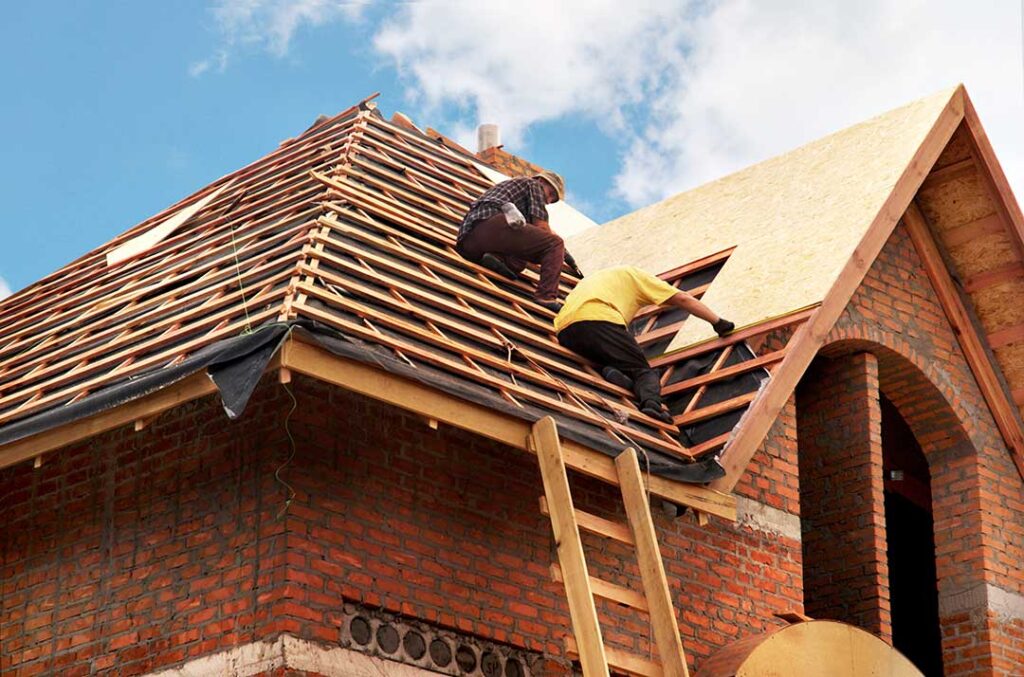
A roof valley is the inside angle where two sloping roof sections meet. It collects water, melting snow, leaves, and ice from both roof planes, then directs that flow toward the eaves and gutters.
Because so much water passes through this narrow area, valleys are among the most leak-prone parts of a roof. A valley can begin failing even when the surrounding shingles still look relatively new.
In Valatie, NY, seasonal snow, freeze-thaw cycles, wind-driven rain, and falling leaves can place repeated stress on valley materials. The most useful inspections are usually visual checks from the ground, attic, and upper interior areas rather than walking directly on the roof.
Which exterior signs suggest a roof valley is failing?
The clearest warning signs are damaged shingles, exposed underlayment, distorted metal, and debris that repeatedly collects in the same channel.
Look for:
- Shingles that are cracked, curled, lifted, loose, or missing near the valley
- Dark lines or exposed strips where shingles should cover the valley area
- Rust, corrosion, dents, holes, or separated seams in metal valley flashing
- Blistered, wrinkled, or torn membrane beneath the visible roofing
- Loose fasteners or roofing material that appears to have shifted downhill
- Granules collecting heavily below the valley or in nearby gutters
- Leaves, pine needles, branches, or moss forming a dam
- Water stains or streaks on the exterior wall below the valley
- A visible dip or sag in the roof plane near the valley
A small amount of debris is not automatically evidence of failure. The concern is repeated accumulation, especially when debris stays wet and blocks the normal path of water.
Can a roof valley leak even if the shingles look intact?
Yes. A valley may leak because the flashing, underlayment, fasteners, or roof decking beneath the shingles has deteriorated. Surface shingles can remain apparently intact while water travels underneath them.
Some leaks appear only during specific conditions. For example, a valley may stay dry during light rain but leak during heavy downpours when water moves faster. Snowmelt can also reveal a problem that is not obvious during ordinary rainfall.
A leak may show up indoors several feet away from the actual defect. Water can run along rafters, roof sheathing, insulation, or framing before entering the ceiling. The stain’s location is therefore a clue, not proof that the valley directly above it is the source.
What interior signs should residents check?
Interior clues often appear before exterior damage becomes obvious. Check the attic, upper ceilings, and wall areas below roof intersections for:
- Brown or yellow ceiling stains
- Damp insulation
- Darkened or discolored roof sheathing
- Soft, swollen, or deteriorated wood
- Peeling paint near the upper corners of rooms
- Musty odors after rain or snowmelt
- Drips that occur only during heavy weather
- Frost or dampness on roof framing during cold periods
A moisture meter can help identify damp materials, but a dry reading does not guarantee that the roof is sound. Some leaks are intermittent, and materials may dry before an inspection takes place.
If electrical wiring, light fixtures, or ceiling materials are wet, avoid touching the affected area and address the immediate electrical and water-safety risk first.
How do ice dams affect roof valleys?
Ice dams form when melting snow refreezes near colder roof edges. A valley can make the problem more complicated because it concentrates water from two roof sections into one drainage route.
Signs of ice-dam-related valley trouble include:
- Water entering after a thaw followed by freezing temperatures
- Icicles forming repeatedly below one valley
- Snow remaining on one roof section while another section is bare
- Stains that appear during winter but disappear in warmer weather
- Lifted shingles or damaged flashing after a season of ice buildup
Ice dams are not caused only by gutters. Heat escaping into the attic, inadequate insulation, air leakage, uneven roof temperatures, and roof geometry can all contribute. Removing snow with sharp tools can damage shingles and flashing, while climbing onto an icy roof creates a serious fall hazard.
What is the difference between a closed valley and an open valley?
A closed valley uses shingles or other roofing material that overlap across the valley. The visible surface may look like a continuous field of shingles, with a narrow line or crease marking the drainage path.
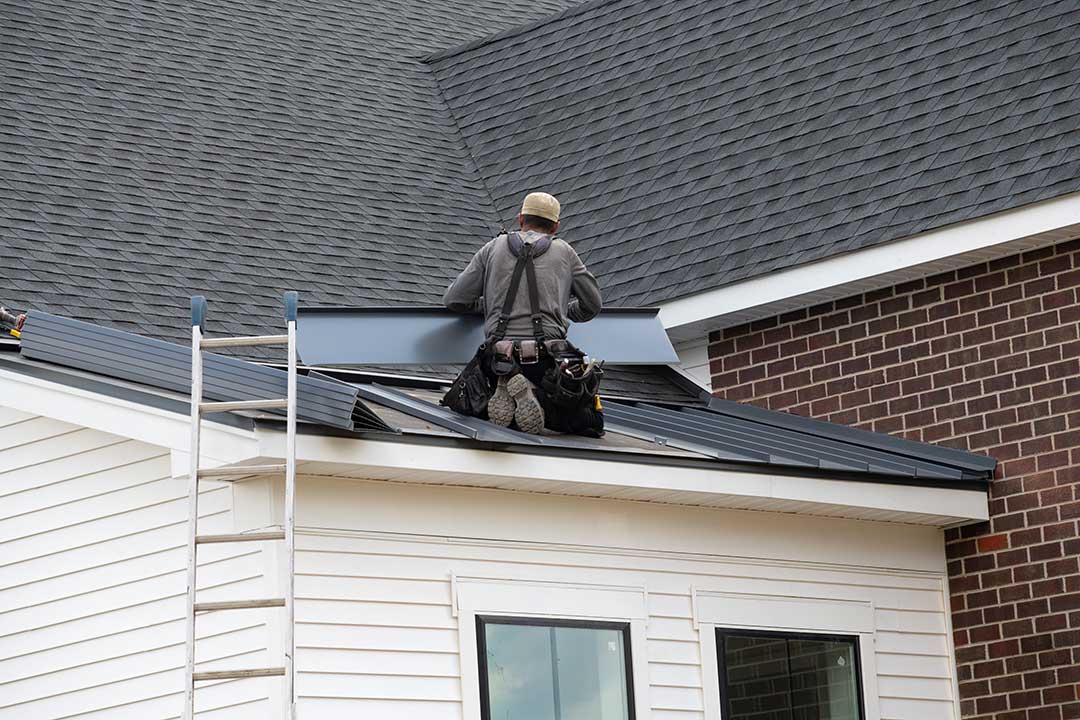
An open valley leaves a visible strip of metal or mineral-surfaced material between the roof planes. This exposed channel carries water and makes certain forms of damage easier to see.
Neither design is automatically problem-free. A closed valley can fail because shingles are improperly cut, nailed too close to the centerline, or lifted by wind. An open valley can fail because the metal corrodes, seams separate, debris causes abrasion, or fasteners loosen.
The key issue is whether water has a continuous, unobstructed path over properly integrated flashing and underlayment.
Which valley problems require prompt attention?
A small surface defect may not cause immediate interior damage, but several conditions deserve prompt evaluation:
- Active dripping during rain or snowmelt
- Wet insulation or visibly deteriorated roof decking
- A sagging area near the valley
- A hole, split, or separated seam in valley flashing
- Shingles missing from the valley or its upper sections
- Repeated leakage in the same location
- Water entering near electrical components
- A roof that has been struck by a fallen branch or heavy ice
Temporary measures such as placing a container under a drip or covering a small interior area can limit damage, but they do not correct the drainage problem. Avoid coating a valley with random sealant or roofing cement without identifying how water is supposed to move. A patch can trap moisture, hide deterioration, or redirect water into another part of the roof.
How can residents inspect a valley without creating a hazard?
From the ground, use binoculars or a phone camera with zoom to examine the valley and the roof area below it. Look after leaves have fallen and again after a major rain or snow event.
From inside the attic, inspect the underside of the roof with a flashlight. Do not step between ceiling joists unless a safe walking surface is present. Wet wood, mold-like staining, and softened sheathing are useful clues.
Do not walk on a steep, icy, wet, or visibly damaged roof. A roof inspection involving ladders, steep slopes, unstable shingles, or heavy snow may require a trained person equipped for fall protection. Safety takes priority over confirming the exact source of a leak.
What maintenance helps prevent valley failure?
Keep branches from rubbing against the roof and remove leaves or needles before they form dense, wet piles. Make sure gutters and downspouts can carry water away from the valley discharge area, while recognizing that clear gutters alone cannot correct a defective valley.
After major wind, hail, or ice events, check for new shingle displacement and interior staining. During reroofing, the valley should be inspected as a drainage assembly, including the visible covering, flashing, underlayment, fasteners, and roof decking beneath it.
A failing valley is usually easier to address before repeated wetting causes insulation damage, wood rot, or staining throughout the ceiling system. The most reliable warning is not one isolated mark, but a pattern: recurring moisture, damaged materials, blocked drainage, or visible movement in the valley’s components.
