

What Are the Immediate Signs a Roof Was Not Installed Correctly?
A poorly installed roof is often easy to spot if you know what to look for. Right after installation, residents in Valatie, NY might notice issues that signal sloppy workmanship or shortcuts. These may not always be obvious from the ground, but some telltale signs are visible without climbing a ladder.
- Shingles misaligned or not laying flat, resulting in a disjointed appearance
- Exposed nails, especially near roof edges or valleys, which can allow water in
- Missing flashing around chimneys, skylights, or vent pipes
- Visible gaps along roof edges or between shingles
- Uneven ridges or a wavy roofline
Especially after rain or wind typical of upstate New York seasons, such flaws may become even more pronounced.
Does Poor Installation Lead to Immediate Leaks?
If the roof is not installed properly, leaks can appear sooner than expected—sometimes within the first heavy rainfall after the installation. In Valatie’s climate, rapid temperature changes and freeze-thaw cycles are common, making the roof’s waterproofing especially important.
Watch for these early warning signs:
- Damp spots or stains on ceilings or attic beams
- Drips or pooling water after storms
- Mold, mildew, or a musty smell in attic spaces
- Ice dams forming even with little snow
Leaks due to weak seals or missing flashing can quickly cause significant damage to underlying structures and insulation.
How Can You Tell if Shingles Are Installed Wrong?
Shingle problems are one of the easiest indicators of poor installation, especially in neighborhoods with mostly pitched, asphalt shingle roofs.
Common issues to check for, both from the curb and up close (if safe and accessible):
- Shingles that don't overlap as they should, leaving gaps
- Tabs sticking up or curling after just one season
- Color inconsistencies signaling batch mixing or improper alignment
- Granules coming off unusually fast and collecting in gutters
Shingles that twist, buckle, or separate within a year of installation rarely signal anything but installation errors, particularly under local weather conditions.
Are Ventilation and Underlayment Problems Easy to Spot?
Getting ventilation and underlayment right matters in Valatie, where winters are cold and summers can be humid. Poor installation sometimes leaves attic spaces stuffy or too moist, even shortly after a new roof is put on.
Here’s how homeowners can spot such problems:
- Attics that feel excessively hot or muggy regardless of outside weather
- Visible black stains or mold on the underside of the roof deck
- Ice forming inside the attic during winter months
- Roof felt (underlayment) visibly wrinkled or poking out under shingles
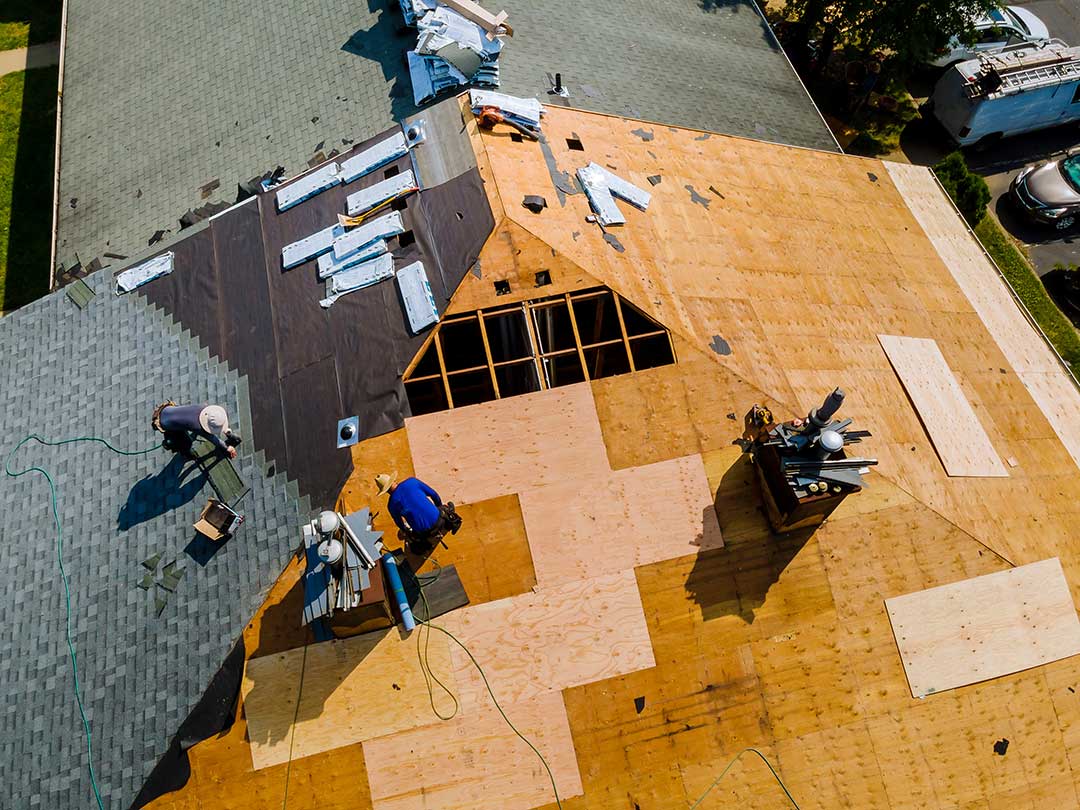
Such issues signal the roof isn’t “breathing” correctly, which can cause premature shingle failure or wood rot.
What Are Common Misconceptions About Roof Installation Quality?
Many local residents believe that a new roof, no matter what, should be worry-free for years. In reality, improper installation can undermine even the best materials.
Some misconceptions include:
- “All roofing crews install the same way.” (Crews vary widely in skill and experience.)
- “Warranties protect against installation errors.” (Most warranties cover materials, not workmanship defects.)
- “If it looks good from the street, it must be okay inside.” (Major problems can hide under seemingly neat shingle patterns.)
Being aware of these myths helps homeowners catch issues early and address them before bigger damage occurs.
What Local Factors Make Proper Installation More Crucial?
Valatie’s seasonal weather cycles—especially freeze-thaw swings, heavy snow, and occasional windstorms—put extra stress on every roof. Mistakes that might go unnoticed in milder climates can quickly become serious here.
Key local stressors include:
- Frequent snow accumulation leading to ice dams if roofs aren’t securely sealed
- Sudden temperature shifts that expand and contract roofing materials
- High winds tugging at inadequately anchored shingles or flashing
Given this context, even minor shortcuts during installation can lead to rapid and costly problems for area households.
What Should Residents Do if They Suspect a Problem?
If there are clear signs of poor installation—such as leaks, sagging, visible gaps, or persistent attic moisture—it’s wise to document what you see and learn more before making decisions. Not every issue requires immediate replacement; sometimes, targeted repairs or improved ventilation resolve the underlying problem. If the problem presents safety risks, such as a potential roof collapse or electrical hazards from water infiltration, taking prompt action is necessary.
