

Roof maintenance is easier and safer when the right tools are used for the right task. For households in Valatie, NY, a basic kit should account for seasonal rain, snow, ice, wind, falling leaves, and the need to inspect roofing without causing damage.
The goal of routine maintenance is not to perform major repairs from a ladder. It is to spot developing problems, keep drainage paths clear, and document changes before a small issue becomes an interior leak.
Which tools are useful for a basic roof inspection?
A homeowner can handle many ground-level and low-risk inspection tasks with a few simple tools. The most useful items are a flashlight, binoculars, work gloves, a notepad or phone camera, and a sturdy ladder used according to its safety instructions.
Binoculars are especially helpful because they allow a closer look at shingles, flashing, vents, and roof edges without requiring anyone to walk on the roof. A phone camera can record damaged areas from the ground and make it easier to compare conditions after storms or seasonal changes.
A practical inspection kit may include:
- Binoculars for viewing roof surfaces from the ground
- A bright flashlight for attic and interior checks
- Cut-resistant work gloves for handling debris
- Safety glasses when clearing gutters or inspecting loose materials
- A tape measure for recording the size of visible damage
- A notebook or digital record for dates, locations, and observations
- A soft-bristle hand brush for removing light debris from accessible areas
A flashlight should be used in the attic as well as inside the home. Dark stains, damp insulation, daylight around roof penetrations, and mold-like growth may indicate water entry. Inspection after heavy rain can be more informative than inspection on a dry day because active moisture is easier to identify.
What ladder and gutter tools are appropriate?
Gutter maintenance generally requires more caution than homeowners expect. A stable extension ladder, ladder stabilizer, scoop, bucket, and hose are useful for accessible gutter sections. The ladder should rest on firm, level ground and should never be placed on ice, loose soil, wet leaves, or an unstable surface.
A gutter scoop can remove leaves and compacted sediment more efficiently than gloved hands. A bucket attached to the ladder can reduce repeated trips, but it should not become so heavy that it affects balance. Some people use a long-handled gutter tool from the ground; these can help with light debris but may not remove packed material or reveal hidden gutter damage.
After debris is removed, a garden hose can test whether water flows toward the downspout. Water that pools, backs up, or leaks through seams may indicate a clogged outlet, poor slope, separated joint, or damaged section.
Avoid leaning a ladder directly against gutters. The added weight can bend the gutter edge or pull it away from the fascia. Ladder placement also matters during colder months, when frozen ground and hidden ice create a higher risk of slipping.
Do homeowners need tools for removing snow and ice?
Snow and ice should be handled conservatively. A roof rake with a long handle may remove limited snow from the ground, but only when the tool can be used without standing beneath sliding snow or pulling aggressively against shingles.
A roof rake should have a smooth, non-abrasive head. Metal tools, shovels, axes, and improvised scraping devices can remove protective granules or cut roofing materials. The objective is not always to clear every inch of snow. It is to reduce unusual loading near roof edges, lower roof sections, or areas where snow has accumulated deeply.
Ice dams are not safely solved by chopping at the ice. Chisels, hammers, and salt-based products can damage shingles, gutters, plants, and exterior materials. If ice is blocking drainage or water is entering the home, the situation may require specialized equipment and professional judgment because both fall hazards and electrical hazards can be present.
Residents should also avoid standing beneath roof edges while snow or ice is being removed. Falling material can be heavier and more cohesive than it appears from the ground.
What tools help with roof debris and moss?
Light debris such as leaves, twigs, and small branches can often be removed from safe, accessible areas using a soft broom, leaf blower, or long-handled brush. The tool should be used gently. Aggressive brushing can loosen granules or damage brittle shingles.
Moss and algae require different treatment from ordinary debris. A stiff wire brush, pressure washer, or metal scraper can shorten the life of roofing materials. Pressure washing is particularly risky because it can force water beneath shingles and strip away the surface layer that protects them.
A soft brush and an appropriate roof-safe cleaning method may be suitable for limited surface growth, but cleaning products should be checked for compatibility with roofing, siding, landscaping, and nearby water drainage. Do not mix chemical cleaners, and do not allow runoff to reach gardens, ponds, or household pets.
Moss that has lifted shingles, blocked drainage, or spread across a large area is not merely a cosmetic concern. The underlying roof surface may already be weakened.
Are roof repair tools safe for routine maintenance?
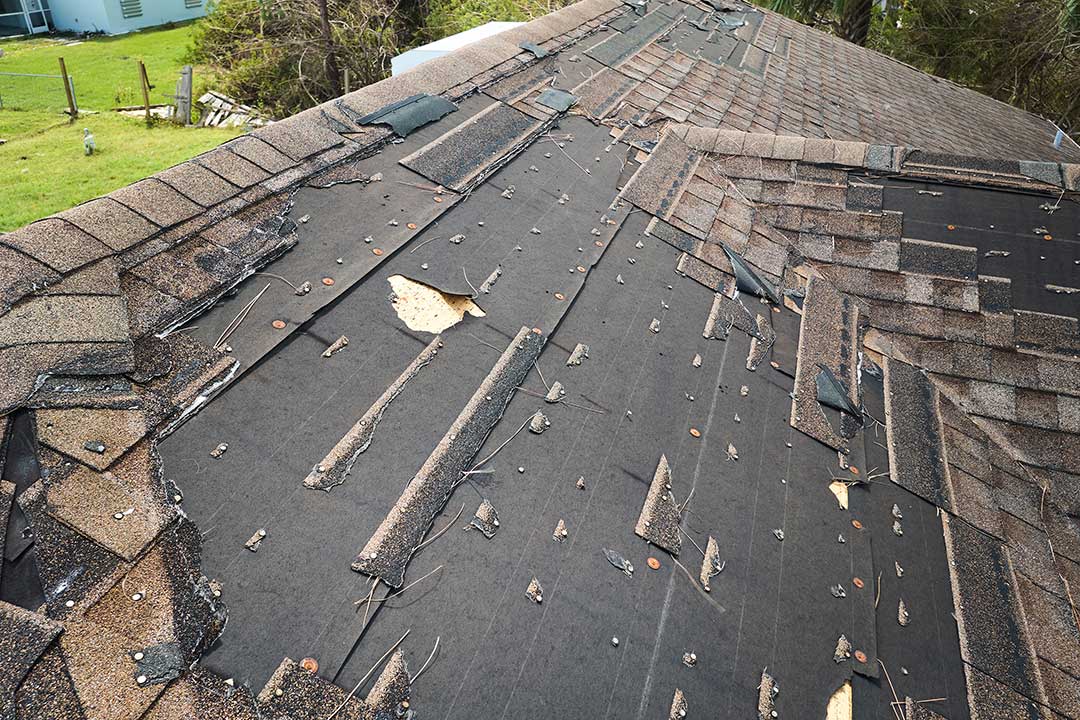
Some tools are useful for minor, clearly understood tasks, but repair tools should not be treated as inspection tools. A hammer, pry bar, roofing knife, caulk gun, and replacement fasteners can cause more damage if used without knowing how the roof system is assembled.
Roofing nails should not be driven into visible shingles simply to stop a leak. The leak may originate higher on the roof, around flashing, at a vent, or where two roof sections meet. Adding exposed fasteners can create another path for water.
Caulk is also not a universal roof repair. Some sealants are incompatible with particular roofing materials, become brittle in seasonal temperature changes, or conceal deterioration without correcting it. A temporary patch may be reasonable in an urgent situation, but it should be documented and monitored rather than mistaken for a permanent repair.
Walking on shingles is another common source of avoidable damage. Asphalt shingles can become brittle in cold weather and soft or easily scuffed in hot weather. Clay, slate, and older roofing materials may crack under foot pressure.
What safety equipment should be included?
Safety equipment is as important as the maintenance tools themselves. At minimum, use slip-resistant footwear, gloves, eye protection, and clothing that does not catch on ladder parts or roof fixtures.
Do not use a ladder near overhead electrical lines, during lightning, in strong wind, or on icy ground. Never work alone when ladder use or roof access is involved. A second person can stabilize the ladder, observe changing conditions, and summon help if needed.
The safest maintenance position is usually on the ground. Roof access should be avoided when the surface is wet, frosted, snow-covered, steep, damaged, or difficult to reach. Harness systems also require proper anchorage and training; wearing a harness without a suitable anchor does not provide reliable protection.
How often should these tools be used?
A visual inspection from the ground is useful several times a year and after severe weather. Gutter checks are commonly needed during periods of heavy leaf fall and again before winter conditions arrive. Attic checks are worthwhile after major rain, wind, or snow events.
Look for:
- Missing, curled, cracked, or lifted shingles
- Loose or bent flashing around roof openings
- Sagging gutters or separated downspouts
- Granules collecting near downspout outlets
- Damp insulation, water stains, or musty attic odors
- Branches resting on the roof
- Snow or ice collecting unusually heavily in one area
Tools can help identify conditions, but they cannot replace judgment about structural damage or fall hazards. If roof decking feels soft, framing appears damaged, a ceiling is actively leaking, or access requires walking on a steep or unsafe surface, stopping the inspection is the appropriate maintenance decision.
